Sulle Strade della Sefarad Perduta: Un Viaggio tra le Radici Ebraiche di Spagna


Ormai sono più gli anni in cui ho parlato di turismo che quelli in cui non l’ho fatto.
Gran parte della mia vita è stata guidata da storie, incontri e luoghi che, con il tempo, sono diventati itinerari: alcuni ancora nascosti in un file sul computer, altri trasformati in viaggi reali per piccoli gruppi di appassionati.
Nel 1997 mi fu regalato un libro destinato a segnarmi profondamente: “Il Libro di Zaffiro” di Gilbert Sinoué. Fin dalle prime pagine, la storia mi coinvolse completamente.

I protagonisti intraprendono un viaggio avventuroso attraverso la Spagna, da Toledo a Granada, Salamanca, passando per Burgos e Teruel, un percorso che mi spinse immediatamente a cercare immagini, mappe, riferimenti storici. Sentivo il bisogno quasi fisico di seguire quelle strade, respirare quegli stessi paesaggi, perdermi nelle atmosfere che il romanzo evocava con tale intensità.
Il libro racconta di tre uomini, un ebreo, un musulmano e un cristiano, chiamati a unire le loro competenze per risolvere una serie di enigmi creati da un vecchio rabbino e ritrovare un tesoro nascosto. Grazie alla conoscenza delle rispettive tradizioni religiose, i protagonisti affrontano prove complesse che li costringono a superare sospetti, divergenze e pregiudizi. Ne nascono discussioni animate, controversie teologiche e momenti di tensione, ma anche una sorprendente collaborazione che diventa il cuore stesso del racconto.

Tutto ha inizio nella Toledo del 1487, una città sospesa tra splendore e inquietudine. All’epoca era un crocevia di culture, ma anche un luogo attraversato da profonde tensioni religiose, sullo sfondo di una Spagna ancora frammentata e sempre più segnata dall’ombra della Santa Inquisizione. In questo contesto, ai tre uomini viene affidata una missione straordinaria: cercare il Libro di Zaffiro, un manoscritto leggendario capace di influire sul destino dei popoli.
Guidati da una mappa misteriosa, i protagonisti compiono un viaggio tra cattedrali, castelli, biblioteche segrete e strade polverose, dove ogni tappa nasconde un indizio, una rivelazione, una minaccia. I dialoghi, raffinati e profondi, sono costellati di riferimenti ai testi sacri e alle filosofie religiose, rivelando l’eccezionale erudizione di Sinoué e la sua capacità di intrecciare storia, fede e simbolismo in un’unica trama avvincente.
La narrazione diventò via via più intensa, trascinandomi in un crescendo di emozioni. La diversità dei protagonisti si trasforma in forza, la loro unione in una metafora potente di ciò che la Spagna medievale è stata: un mosaico di culture spesso in conflitto, ma anche straordinariamente feconde nel loro incontro.
“Il Libro di Zaffiro” per me è diventato un invito a esplorare, a cercare, a camminare.
A ritrovare nelle strade di Toledo, Granada o Teruel ( che ancora devo visitare) le tracce di un mondo perduto, a immaginare che dietro ogni vicolo possa ancora celarsi un enigma, un simbolo, un frammento di storia rimasto sospeso per secoli.
Un libro che mi ha fatta sognare allora, e che continua, ancora oggi, ad aprirmi curiosità e da questo è nato il mio interesse per la Sefarad.

Infatti ci sono storie che non abitano soltanto nei libri: vivono nelle pietre, nei vicoli che sussurrano, nei nomi incisi sul tempo.
L’eredità ebraica della Spagna, Sefarad biblica, è una di queste: un mondo di poesia, di sapienza e di dialogo che per secoli illuminò il Mediterraneo, fino a quando un decreto, nel 1492, non spezzò una civiltà fiorente.
Ma le storie ebraiche non finiscono mai dove sembrano spezzarsi. La diaspora sefardita trovò nuove strade, nuove case, ed anche in Italia ritrovò una possibilità di rinascita.
La Sefarad che fu:
Per oltre mille anni gli ebrei vissero in Spagna come parte vitale di una grande civiltà. Le juderías di Toledo, Córdoba, Girona e Segovia non erano solo quartieri: erano centri di cultura, di studio e di preghiera.
Qui nacquero:
la filosofia di Maimonide, che elevò il pensiero ebraico;
la poesia ebraico-ispanica, tra le più raffinate del Medioevo;
la Scuola dei Traduttori di Toledo, dove testi arabi e greci divennero patrimonio dell’Occidente;
comunità vibranti che dialogavano con culture cristiane e musulmane.
Passeggiare oggi nel Call di Girona o nella Judería di Córdoba significa camminare dentro una voce antica, che parla ancora.
1492: l’addio alla Spagna
La Reconquista e il desiderio di un’omogeneità religiosa portarono tensione e persecuzioni. Il sospetto verso i conversos, le conversioni forzate e l’azione dell’Inquisizione crearono un clima sempre più insostenibile.
La fine del Medioevo portò un cambiamento drammatico. Il progressivo consolidamento dei regni cristiani e l'atmosfera di crescente omogeneità religiosa portarono prima a conversioni forzate, poi alla persecuzione dei conversos sospettati di praticare di nascosto l’ebraismo.
Il punto di svolta arrivò nel 1492, quando i Re Cattolici Ferdinando d’Aragona e Isabella di Castiglia firmarono il Decreto di Granada, che ordinava l’espulsione di tutti gli ebrei non convertiti. Le ragioni principali furono:
rafforzare l’unità religiosa dopo la Reconquista;
eliminare qualsiasi influenza sui conversos, ritenuti instabili nella fede;
affermare l’autorità dell’Inquisizione.

Il Decreto di Granada del 1492 impose agli ebrei la scelta impossibile tra conversione ed esilio.
Circa 200.000 ebrei lasciarono la Spagna: alcuni verso il Portogallo (dove sarebbero poi stati nuovamente perseguitati), molti altri verso il Mediterraneo, il Nord Africa e l’Impero Ottomano. E un numero significativo scelse l’Italia.
Caricarono sulle navi ciò che non pesava: la lingua giudeo-spagnola, i canti, la memoria delle case chiuse per sempre.
Le chiavi delle loro case, tramandate per generazioni, divennero simbolo di un ritorno sognato, mai più realizzato.
I sefarditi in Italia
Alla fine del XV secolo, diversi Stati italiani accolsero gli ebrei sefarditi. Venezia, Livorno, Ferrara, Genova, Ancona e molte città del Sud offrirono protezione, spinti tanto da ragioni economiche quanto dal prestigio culturale degli ebrei iberici.
I sefarditi giunsero:
come mercanti, portando lingue, reti commerciali e competenze;
come studiosi, fondando yeshivot e arricchendo la cultura rabbinica italiana;
come artigiani, soprattutto in tessuti, tinture e stamperie.
In molti luoghi fondarono comunità autonome o si integrarono in quelle già esistenti, ma sempre preservando lingua (il giudeo-spagnolo), riti e tradizioni.
La Spagna che resta: luoghi dove la storia respira ancora
1. Toledo
La Judería de Toledo è tra le più famose e meglio conservate.
Qui si trovano la Sinagoga del Tránsito e la Sinagoga di Santa María la Blanca. La prima, oggi Museo Sefardita, mostra raffinati stucchi mudéjar e una ricca collezione di manoscritti. La seconda, trasformata in chiesa, conserva l’architettura originaria e racconta la convivenza tra culture e religioni.
Vicoli stretti e case bianche creano un’atmosfera sospesa nel tempo, ideale per camminate lente e attente ai dettagli storici.
2. Córdoba
La Judería di Córdoba si sviluppa attorno alla Sinagoga del XIV secolo.
Qui vissero e operarono importanti studiosi e filosofi, tra cui Mosè Maimonide.
I vicoli tortuosi e i cortili interni conservano ancora elementi architettonici medievali: pozzi, fontane e stelle di David scolpite nelle facciate.
Passeggiando per la Judería si percepisce la fusione tra culture e l’eredità di un passato intellettuale straordinario.
3. Girona
Il Call Jueu di Girona è uno dei quartieri ebraici meglio conservati d’Europa.
Qui nacquero grandi maestri della Cabala, come Nachmanide.
Il quartiere include case medievali, sinagoghe e piccole piazze silenziose.
Il Museo di Storia degli Ebrei conserva lapidi, manoscritti e oggetti rituali ritrovati nei secoli.
4. Segovia
La Judería di Segovia si sviluppa lungo la Calle Judería Vieja.
La Sinagoga Mayor, oggi luogo di memoria, testimonia la presenza ebraica prima dell’espulsione del 1492.
La vicinanza al centro storico medievale permette di collegare facilmente la visita con l’imponente Acquedotto romano, creando un itinerario tra storia e spiritualità.
5. Lucena
Lucena, chiamata “la Perla Sefardita”, fu un importante centro culturale e religioso.
Il quartiere ebraico conserva tracce di antiche abitazioni, sinagoghe e necropoli.
Qui la comunità ebraica visse in relativa autonomia fino alla fine del XV secolo, sviluppando scuole, biblioteche e una vita culturale intensa.
6. Granada
L’Albaicín, sebbene più noto per l’eredità araba, conserva anche testimonianze della presenza ebraica
Vicoli stretti, scalinate e piazzette ricordano la vita delle famiglie sefardite prima dell’espulsione.
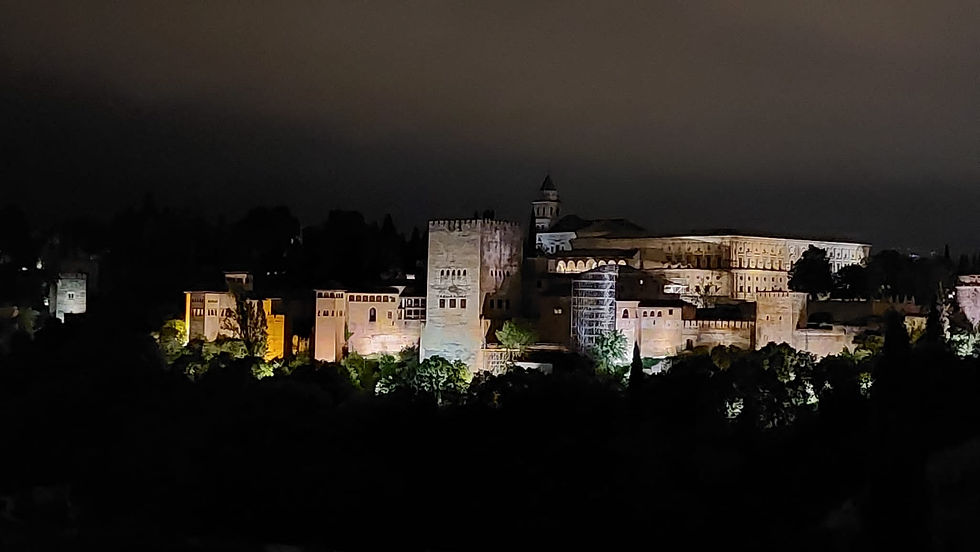
Passeggiare all’alba o al tramonto permette di cogliere la magia dei panorami sull’Alhambra e di immaginare il passato della comunità ebraica in città.
La diaspora come luce
La storia sefardita è dolorosa, è ma anche una storia di resilienza, di identità mai cancellate, di memorie che hanno trovato casa in altre lingue, in altre città, in altri porti.
Visitare questi luoghi, in Spagna (ed in Italia), non è solo turismo culturale , è un pellegrinaggio emotivo, un incontro con ciò che i secoli non sono riusciti a cancellare.
Itinerario di 7 Giorni nell’Andalusia Ebraica:
Sulle Orme della Sefarad Perduta
Anche se Toledo è ancora considerata l'anima della Spagna Ebraica, questo itinerario, per praticità logistica si concentra sull'Andalusia, in un itinerario che ripercorre luoghi che ancora oggi custodiscono l’eco di una civiltà spezzata eppure mai dimenticata.
Giorno 1 – Siviglia: La Porta d’Ingresso alla Sefarad

Cosa vedere:
Barrio de Santa Cruz, l’antica judería: un labirinto di vicoli strettissimi, cortili nascosti e piazze bianchissime.
Call de la Judería, nei pressi dell’Alcázar, dove il tempo sembra sospeso.
Centro de Interpretación de la Judería, per comprendere la storia e la presenza sefardita in città.
Momenti emozionali:
Immagina le famiglie che qui vivevano tra giardini d’aranci e patii fioriti.
Passeggia al tramonto: è il momento in cui la judería sembra richiamare ciò che non si vede più.
Giorno 2 – Siviglia: Memorie Silenziose
Cosa vedere:
Reales Alcázares, dove gli ebrei vissero e lavorarono anche come diplomatici e studiosi.
Archivio delle Indie (non ebraico, ma essenziale per capire il grande cambiamento del XV secolo).
Antigua Sinagoga di Santa María la Blanca, trasformata in chiesa ma con struttura originale.
Momenti emozionali:
Resta qualche minuto nell’ex sinagoga, in silenzio. Le sue arcate bianche raccontano una storia più forte delle trasformazioni subite.
Giorno 3 – Córdoba: L’Anima della Sefarad
Córdoba non si visita, si ascolta.

Cosa vedere:
La Sinagoga del 1315, una delle pochissime medievali rimaste in Spagna.
La Judería, fra vicoli stretti che conducono al Cuesta del Bailío.
Casa de Sefarad, museo e luogo di memoria dedicato alla tradizione sefardita.
Statua di Maimonide, nella piazzetta che porta il suo nome.
Momenti emozionali:
Siediti di fronte alla statua di Maimonide. Prova a immaginare il giovane filosofo camminare tra quegli stessi vicoli, cercando il dialogo tra fede e ragione.
Giorno 4 – Córdoba: Tra storia e spiritualità
Cosa vedere:
Alcázar de los Reyes Cristianos, con tracce del passaggio di studiosi ebrei e conversos.
Puente Romano e Torre de la Calahorra, dove sorge il Museo della cultura andalusa con sezioni sulla tradizione ebraica.
Momenti emozionali:
Dalla Calahorra osserva la città riflettersi sul Guadalquivir: l’acqua rende tutto più visibile, passato, presente, nostalgia.
Giorno 5 – Lucena: La “Città degli Ebrei”
Pochi luoghi in Andalusia hanno un’eredità ebraica così forte.
Cosa vedere:
Necropoli ebraica, scoperta nel XXI secolo, una delle più grandi della Spagna medievale.
Centro di Interpretazione della Lucena Ebraica, che racconta la città al tempo in cui quasi tutta la popolazione era ebraica.
Iglesia de San Mateo, costruita sul sito dell’antica sinagoga.
Momenti emozionali:
Lucena era chiamata Eliossana, “La Città degli Ebrei”. Camminare qui è come risentire il passo di una comunità intera, scomparsa ma presente nelle pietre.
Giorno 6 – Granada: L’Ultima Luce
Granada fu una delle ultime città dove gli ebrei vissero prima dell’espulsione, condividendo un destino di addio e smarrimento simile a quello dell’ultimo sovrano musulmano. La leggenda narra infatti che, il corteo regale di Boabdil lasciò la città per l’esilio e raggiunse uno sperone roccioso che sorvegliava il Generalife, da cui si domina l’intera vallata di Granada. Muhammad XII smontò da cavallo, si sedette su una roccia e rivolse lo sguardo, per l’ultima volta, all’Alhambra e alla valle verde che la abbraccia, scoppiando in un lungo pianto.
Cosa vedere:
Realejo, l’antica judería, oggi un quartiere elegante ai piedi dell’Alhambra.
Parco di Tico Medina, dove un tempo sorgeva la sinagoga principale.
Alhambra, per comprendere il contesto culturale in cui le comunità ebraiche si mossero.
Momenti emozionali:
Nel Realejo cerca la “Placeta del Realejo”, un angolo tranquillo dove fermarsi.
È uno dei luoghi in cui il passato sembra respirare più vicino.
Giorno 7 – Granada: Ricordi e Partenze
Cosa vedere:
Carmen de los Mártires, luogo panoramico carico di storia.
Mirador de San Nicolás, dove il tramonto dipinge l’Alhambra come un sogno nel pittoresco quartiere dell'Albaicin
Centro Memoria Sefardita, se disponibile, per chiudere il viaggio in un percorso di consapevolezza.
Momenti emozionali:
Visita al mattino presto l’Albaicín, nel silenzio dei vicoli, quando la città si risveglia lentamente e i raggi del sole filtrano tra le case bianche e i gerani dei cortili, si percepisce ancora la memoria di quella comunità. Passeggiare in questo quartiere caratteristico, passare sotto le mura, con lo sguardo che corre verso l’Alhambra illuminata dalla luce dorata dell’alba, regala un momento ... sospeso nel tempo.
Consigli pratici e poetici
“Il Libro di Zaffiro” di Gilbert Sinoué è sicuramente un libro complesso da leggere, ma spero possa piacere a te quanto è piaciuto a me e che ti stimoli a scoprire la Spagna, anche nelle località meno conosciute e turisticamente celebrate.
Vivi l’Andalusia lentamente: non correre, lascia che i luoghi parlino da soli.
Ascolta la musica sefardita: percorri la judería di Córdoba o il Realejo di Granada accompagnato dalle note che raccontano secoli di storia.
Cerca i dettagli nascosti: una stella di David scolpita, un callejón dimenticato, un nome antico inciso nei muri.
Scegli i momenti giusti: viaggia al mattino presto e al tramonto, quando la luce accarezza le pietre e la memoria sembra più vicina.
Segui i sensi: non farti trasportare dal flusso dei turisti; lascia che il profumo intenso dei zagare degli alberi d’arancio nelle piazze andaluse ti accompagni nei tuoi passi.
Respira la storia: ogni vicolo, ogni piazza, ogni portone racconta storie di culture intrecciate, di vite e di segreti che aspettano di essere scoperti.
English Version:

On the Roads of Lost Sefarad: A Journey through the Jewish Roots of Spain
There are now more years behind me in which I have spoken of travel than those in which I have not.
Much of my life has been shaped by stories, encounters and places that, over time, have become itineraries: some still resting quietly in a file on my computer, others transformed into actual journeys for small groups of passionate travellers.
In 1997 I was given a book that would mark me deeply: The Sapphire Book by Gilbert Sinoué. From the very first pages, the story captured me wholly.
The protagonists embark on an adventurous journey across Spain, from Toledo to Granada, Salamanca, and passing through Burgos and Teruel, a route that immediately compelled me to search for images, maps and historical references. I felt an almost physical need to follow those roads, breathe those same landscapes, lose myself in the atmospheres the novel evoked so intensely.
The book tells of three men, a Jew, a Muslim and a Christian, summoned to combine their gifts and knowledge to solve a series of riddles set by an old rabbi and to recover a hidden treasure. Thanks to their understanding of respective religious traditions, the protagonists face complex challenges, overcome suspicion and prejudice. What follows are heated discussions, theological controversies, moments of tension, but also a surprising union that becomes the very heart of the tale.
It all begins in the Toledo of 1487, a city suspended between splendour and unease: a crossroads of cultures, yet a place traversed by deep religious tensions, framed by a Spain still fragmented and increasingly shadowed by the growing power of the Holy Inquisition. Within this context, the three are entrusted with an extraordinary mission: to seek the Sapphire Book, a legendary manuscript capable of altering the fate of nations.
Guided by a mysterious map, the protagonists journey through cathedrals and castles, secret libraries and dusty roads, each stage concealing a clue, a revelation, a threat.
Their dialogues, refined and profound, are studded with references to sacred texts and religious philosophies, revealing Sinoué’s remarkable erudition and his gift for weaving history, faith and symbolism into a single captivating plot.
As the story unfolds, the narrative becomes increasingly intense, carrying me along in a crescendo of emotions. The diversity of the three becomes their strengt, their union, a powerful metaphor for what medieval Spain once was: a mosaic of cultures, often in conflict, yet extraordinarily fertile in their meeting.
For me, The Sapphire Book became an invitation: to explore, to seek, to walk. To rediscover on the streets of Toledo, Granada or Teruel ( which I have yet to visit in person) the traces of a lost world; to imagine that behind every alley there could still lie an enigma, a symbol, a fragment of history suspended for centuries.
It is a book that made me dream then, and continues to kindle my curiosity today and from it sprang my interest in Sefarad.
Indeed, there are stories that do not dwell solely within the pages of books: they live in the stones, in alleys that whisper, in names carved by time. The Jewish heritage of Spain, biblical Sefarad, is one of those: a world of poetry, wisdom and dialogue that for centuries illuminated the Mediterranean, until a decree, in 1492, shattered a flourishing civilisation.
Yet Jewish stories never end where they seem broken. The Sephardic diaspora found new paths, new homes, also in Italy, too, discovered a chance at rebirth.

What Sefarad once was
For more than a thousand years, Jews lived in Spain as a vital part of a great civilisation. The juderías of Toledo, Córdoba, Girona and Segovia were not mere neighbourhoods: they were centres of culture, study and prayer.
Here were born:
the philosophy of Maimonides, which elevated Jewish thought;
the Judeo‑Spanish poetry, among the most refined of the Middle Ages;
the School of Translators of Toledo, by which Arab and Greek texts became part of the heritage of Western Europe;
vibrant communities engaging in dialogue with Christian and Muslim cultures alike.
Walking today through the Call of Girona or the Judería of Córdoba is like hearing an ancient voice speak once again.
1492: Farewell to Spain
The Reconquista and the yearning for religious uniformity brought growing tensions and persecutions. Conversos, Jews forced to convert, were suspected of secretly practising Judaism, leading to waves of fear and repression under the Inquisition.
The turning point came in 1492, when the Catholic Monarchs, Ferdinand of Aragon and Isabella of Castile, signed the Decree of Granada: all Jews who had not converted were ordered to leave the kingdom.
The reasons:
to reinforce religious unity after the Reconquista;
to eliminate any influence of conversos deemed unreliable in faith;
to assert the authority of the Inquisition.
The Decree of Granada imposed on Jews the impossible choice between conversion and exile. About 200,000 Jews departed Spain: some to Portugal (where they would soon face renewed persecution), many others across the Mediterranean, to North Africa, the Ottoman Empire, and a significant number chose Italy.
They loaded on ships only what did not weigh: the Judeo‑Spanish language, their songs, the memory of homes closed forever. The keys to their houses, handed down through generations, became the symbol of a return dreamed, never realised.
The Sephardim in Italy
At the end of the 15th century, several Italian states offered refuge to Sephardic Jews. Cities like Venice, Livorno, Ferrara, Genoa, Ancona and many in the South welcomed them, driven by economic interest and by respect for the cultural prestige of the Iberian Jews.
The Sephardim arrived as :
merchants bringing language, commercial networks and skills;
as scholars, founding yeshivot and enriching Italian rabbinic culture;
as artisans, especially in textiles, dyes and printing.
In many places they founded autonomous communities, or joined existing ones, always preserving their language (Judeo‑Spanish), their rites and traditions.
The Spain that remains: places where history still breathes
Toledo
The Judería of Toledo is among the most famous and best preserved. Within it stand the Synagogue of El Tránsito and the Synagogue of Santa María la Blanca. The former, now the Sephardic Museum, displays exquisite Mudéjar stuccoes and a rich collection of manuscripts. The latter, converted into a church, retains its original architecture and recalls the long coexistence of different faiths.
Narrow alleys and whitewashed houses evoke a timeless atmosphere, perfect for slow walks attentive to historical detail.

Córdoba
The Judería of Córdoba grew around the 14th‑century synagogue. Many scholars and philosophers lived and worked here, among them Maimonides.
Winding alleys and inner courtyards still preserve medieval architectural elements: wells, fountains, and carved Stars of David on facades. Strolling through the Judería one senses the fusion of cultures and the legacy of a remarkable intellectual past.
Girona
The Call Jueu of Girona is among the best‑preserved Jewish quarters in Europe. It was here that great Kabbalistic masters, such as Nachmanides, worked.
The quarter includes medieval houses, synagogues and quiet little squares. The Museum of Jewish History conserves tombstones, manuscripts and ritual objects recovered over the centuries.
Segovia
The Judería of Segovia stretches along the Calle Judería Vieja. The former Synagogue Major, now a place of memor, bears witness to the Jewish presence before the 1492 expulsion.
Its proximity to the medieval historic centre allows visitors to combine the visit with the famous Roman Aqueduct, creating an itinerary between history and spirituality.
Lucena
Lucena, called the “Sephardic Pearl”, was once an important cultural and religious centre.
Its Jewish quarter preserves traces of ancient homes, synagogues and a necropolis.
Here the Jewish community lived in relative autonomy until the end of the 15th century, developing schools, libraries and a lively cultural life.
Granada
Though the Albaicín is more often associated with the city’s Moorish heritage, it also preserves traces of the Jewish presence. Narrow alleys, steep steps and small squares evoke the lives of Sephardic families before the expulsion.
Walking there at dawn or sunset, with views toward the Alhambra, one can almost sense the presence of those who once called these quarters home.

The Diaspora as Light
The Sephardic story is painful, yet it is also a tale of resilience, of an identity never erased, of memories that found new homes in other languages, other cities, other ports.
Visiting these sites, in Spain and in Italy, is far more than cultural tourism: it is an emotional pilgrimage, a meeting with what centuries have tried, and failed, to erase.
Visiting these sites, in Spain (and in Italy), is not merely cultural tourism; it is an emotional pilgrimage, a meeting with what the centuries have not succeeded in erasing.
7-Day Itinerary in Jewish Andalusia: Following the Footsteps of Lost Sefarad
Although Toledo is still considered the soul of Jewish Spain, this itinerary, for logistical convenience, focuses on Andalusia, tracing sites that continue to echo the presence of a civilisation fractured yet never forgotten.
Day 1 – Seville: Gateway to Sefarad
What to see:
Barrio de Santa Cruz, the old judería: a labyrinth of narrow alleys, hidden courtyards, and whitewashed squares.
Call de la Judería, near the Alcázar, where time seems suspended.
Centro de Interpretación de la Judería, to understand the history and presence of Sephardic culture in the city.
Emotional moments:
Imagine the families who once lived here among orange gardens and flower-filled patios.
Stroll at sunset: it is the moment when the judería seems to summon what can no longer be seen.
Day 2 – Seville: Silent Memories
What to see:
Reales Alcázares, where Jews lived and worked as scholars and diplomats.
Archivo de Indias (not Jewish, but essential to understanding the major changes of the 15th century).
Antigua Sinagoga de Santa María la Blanca, converted into a church but retaining its original structure.
Emotional moments:
Spend a few quiet minutes inside the former synagogue. Its white arches tell a story stronger than the transformations it has endured.

Day 3 – Córdoba: The Soul of Sefarad
Córdoba is not merely visited — it is felt.
What to see:
The 1315 Synagogue, one of the few medieval synagogues still standing in Spain.
The Judería, with narrow alleys leading to Cuesta del Bailío.
Casa de Sefarad, a museum and memorial dedicated to Sephardic tradition.
Statue of Maimonides, in the square named after him.
Emotional moments:
Sit before the statue of Maimonides.
Imagine the young philosopher walking through these same alleys, seeking dialogue between faith and reason.

Day 4 – Córdoba: Between History and Spirituality
What to see:
Alcázar de los Reyes Cristianos, with traces of Jewish and converso scholars.
Puente Romano and Torre de la Calahorra, home to the Museum of Andalusian Culture, including sections on Jewish tradition.
Emotional moments:
From the Calahorra, watch the city reflect on the Guadalquivir: the water reveals everything: past, present, nostalgia.
Day 5 – Lucena: The “City of Jews”
Few places in Andalusia bear such a strong Jewish legacy.
What to see:
Jewish necropolis, discovered in the 21st century, one of the largest in medieval Spain.
Centro de Interpretación de la Lucena Ebraica, detailing the city when almost its entire population was Jewish.
Iglesia de San Mateo, built on the site of the former synagogue.
Emotional moments:
Lucena was known as Eliossana, “The City of Jews.”
Walking here is like hearing the steps of an entire community ...vanished, yet present in the stones.
Day 6 – Granada: The Last Light
Granada was one of the last cities where Jews lived before the expulsion, sharing a fate of

farewell and loss, much like the last Muslim ruler. Legend has it that when Boabdil’s royal procession left the city for exile, it reached a rocky spur overlooking the Generalife, with a view over the entire Granada valley. Muhammad XII dismounted, seated himself on a rock, and for the last time gazed upon the Alhambra and the green valley embracing it, bursting into deep sorrowful tears.
What to see:
Realejo, the old judería, now an elegant neighbourhood at the foot of the Alhambra.
Parque de Tico Medina, where the main synagogue once stood.
Alhambra, to understand the cultural context in which the Jewish communities moved.
Emotional moments:
In Realejo, seek the Placeta del Realejo, a quiet corner to pause. It is one of the places where the past seems to breathe closest.
Day 7 – Granada: Memories and Departures
What to see:
Carmen de los Mártires, a panoramic site steeped in history.
Mirador de San Nicolás, where the sunset paints the Alhambra as a dream in the picturesque Albaicín district.
Centro Memoria Sefardita, if available, to conclude the journey with reflection.
Emotional moments:
Visit the Albaicín at daybreak, when the alleys are silent, the city slowly awakening, and the sunlight filtering through the white houses and courtyard geraniums. One can still feel the memory of the community.
Walking through this characteristic neighbourhood, passing beneath the walls, with your gaze drawn to the Alhambra illuminated by the golden morning light, offers a moment … suspended in time.
Practical and Poetic Advice
The Sapphire Book by Gilbert Sinoué is undoubtedly a complex read, but I hope it will delight you as it did me, and inspire you to discover Spain, even in the less-known, less-touristic places.
Experience Andalusia slowly: do not rush; let the places speak for themselves.
Listen to Sephardic music while wandering the Judería of Córdoba or the Realejo of Granada, accompanied by melodies that tell centuries of history.
Seek hidden details: a carved Star of David, a forgotten callejón, an ancient name etched in the walls.
Choose the right moments: travel at dawn and dusk, when light caresses the stones and memory seems nearer.
Follow your senses: do not be swept along by the tourist flow; let the intense fragrance of orange blossom trees in Andalusian squares guide your steps.
Breathe in history: every alley, every square, every doorway tells stories of intertwined cultures, of lives and secrets waiting to be discovered.


Commenti